If you’re searching for the best retro video games to add to your collection in 2026, you’ve probably noticed the market is flooded with opinions. Every blog, forum, and YouTube channel has a list, and most of them recycle the same handful of titles without much thought. As the owner of Retro Sales in Australia, I see what customers actually walk out the door with. I see the games that spark a grin the moment someone spots them on the shelf, and I see the ones that sit gathering dust despite their critical reputations. This list is built from that experience: years of buying, selling, trading, and play-testing the games that matter to Aussie collectors. No filler, no nostalgia-baiting fluff, just the titles that genuinely hold up in 2026 and deserve a spot in your collection.
Table of Contents
-
Why This List Is Different (and Why It Matters for Aussie Collectors)
-
The Underdogs: Hidden Gems That Deserve a Spot on Your Shelf
Why This List Is Different (and Why It Matters for Aussie Collectors)
Most retro game rankings you find online are written from an American or Japanese perspective. They use NTSC release dates, reference cultural touchstones that never landed here, and gloss over the PAL region quirks that shaped Australian gaming. Anyone who grew up with a Mega Drive or SNES in this country remembers the slower frame rates, the black borders, and the agonising wait for local releases. Those details matter. A game that felt sluggish on a PAL console could sour the experience, while others were optimised well enough that nobody noticed the difference. This list accounts for that context.
It also accounts for something more practical: sales data. When you run a physical retro game store, you learn very quickly which titles people actually want. Critical acclaim means nothing if a game sits on the shelf for six months. The titles below move. They get traded in and sell again within days. They spark conversations at the counter. And perhaps most importantly, every single one has been fired up on original hardware in 2026 and given a proper run. Being retro doesn’t give a game a free pass. If the controls feel clunky, the pacing drags, or the design has aged like milk, it doesn’t make the cut, no matter how many Game of the Year awards it won three decades ago.
The Heavy Hitters: Console Classics That Define the Genre
Some games are famous for a reason. The titles in this section are the ones you already expect to see on a list like this, but they’re here because they genuinely earn their reputations every time someone sits down to play them. These are the games that built genres, sold consoles, and still feel fantastic in 2026.
Platformers That Perfected the Formula
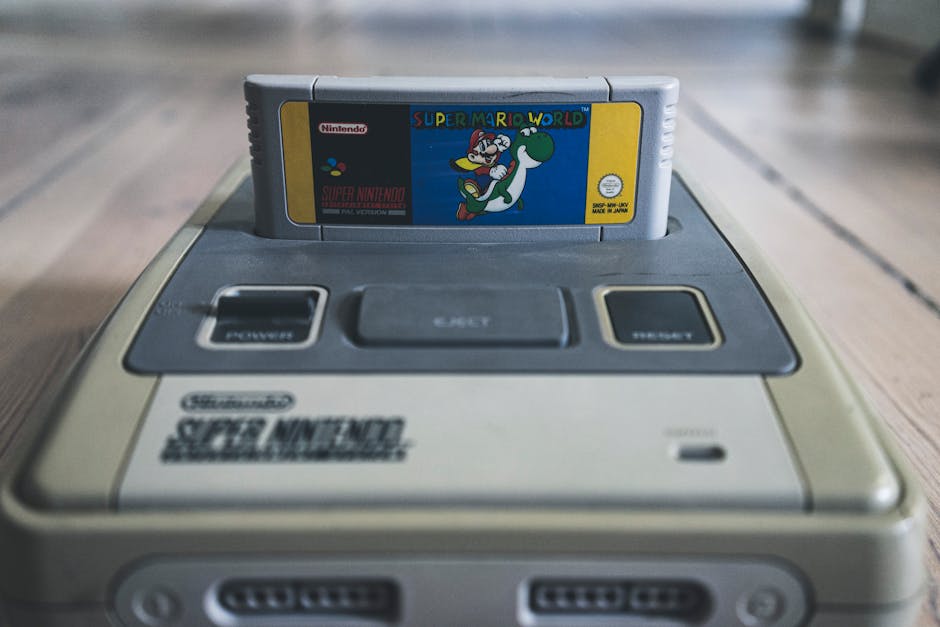
Super Mario World on the SNES remains the gold standard for 2D platforming. The level design is a masterclass in teaching the player without tutorials, the cape power-up adds genuine depth to movement, and the secret exits give the game a sense of discovery that few modern titles match. It’s still the best-selling SNES game in Australia for good reason. Sonic the Hedgehog 2 on the Mega Drive is its natural rival, and it’s the game that truly sold Sega’s console in this country. The spin dash mechanic, introduced here for the first time, transformed the pace of the series and gave players a sense of momentum that felt revolutionary. The two-player split-screen mode was a lounge room staple. On the PlayStation side, Crash Bandicoot holds a special place in Australian hearts. Naughty Dog’s debut might look simple by today’s standards, but the tight platforming, the vibrant art style, and the sheer challenge of the later levels make it a game that still demands respect. It’s also one of the few 3D platformers from the era that doesn’t feel like you’re fighting the camera the entire time.

Action-Adventure Titles That Defined a Generation
The Legend of Zelda: Ocarina of Time on the Nintendo 64 frequently tops “greatest of all time” lists, and revisiting it in 2026 confirms that it’s not just nostalgia talking. The lock-on combat system, which felt groundbreaking in 1998, remains intuitive and satisfying. The time-travel narrative, with its two distinct versions of Hyrule, gives the world a weight that few games of the era achieved. Super Metroid on the SNES is a different beast entirely: atmospheric, non-linear, and deeply rewarding for players who pay attention. The sense of isolation on Zebes, the gradual acquisition of abilities that open up the map, and the environmental storytelling all hold up beautifully. It’s the game that gave the “Metroidvania” genre its name, and it’s still the best entry point. Castlevania: Symphony of the Night on the PlayStation takes that formula and adds RPG mechanics, a gothic art style, and one of gaming’s greatest surprises: the inverted castle. If you somehow haven’t had that twist spoiled for you in the decades since release, play it before someone ruins it.
Fighting Games That Still Draw a Crowd
Street Fighter II Turbo on the SNES and Mega Drive is the competitive fighting game standard for a reason. The balance, the special move inputs, the character variety: everything that makes the genre work was refined here. It’s still played in local tournaments across Australia, and a well-maintained cartridge is one of the fastest sellers in the shop. Tekken 3 on the PlayStation represents the peak of 3D fighting in the 90s. The animation is fluid in a way that puts some modern fighters to shame, the roster is stacked with memorable characters, and the arcade mode has genuine replay value. It’s the fighting game I recommend to anyone who wants something that feels fast, responsive, and satisfying from the first round.
Handheld Heroes: The Games You Played on the School Bus
The Game Boy and Game Boy Color libraries are often reduced to a single title in retro lists, which does a massive disservice to some of the best portable games ever made. These are the cartridges that lived in backpacks, got passed around playgrounds, and drained countless AA batteries.
Pokémon Red and Blue need little introduction. The cultural phenomenon that began here is still going strong, but the original Game Boy titles have a purity that later entries lost. Trading and battling via the link cable was a genuinely social experience, and the monochrome sprites have a charm that the modern 3D models can’t replicate. It remains the most requested trade-in at Retro Sales, and a clean copy with a working save battery moves fast. Tetris on the Game Boy is arguably more iconic than any other version of the game. The music, the green-tinted screen, the endless pursuit of a new high score: it’s the definition of timeless design. You can hand it to someone who has never played a video game and they’ll understand it in seconds.
The Legend of Zelda: Link’s Awakening DX on the Game Boy Color is a full Zelda adventure shrunk down to fit in your pocket, and it’s remarkable how complete it feels. The colourised DX version is the definitive way to play, with an extra dungeon and sharper visuals. The story, which exists outside the usual Hyrule mythology, is surprisingly poignant. Metroid II: Return of Samus is the handheld entry that gets overlooked in favour of Super Metroid, but it deserves far more attention. The claustrophobic atmosphere, the methodical hunt for Metroids, and the sense of descending deeper into an alien world all hold up brilliantly on original hardware. It’s a tense, isolated experience that the later 3DS remake smoothed over in ways that lost some of the original’s edge.
The Underdogs: Hidden Gems That Deserve a Spot on Your Shelf
The games in this section rarely appear on mainstream “best of” lists, but they’re titles that I personally recommend to customers who want something different. They’re conversation starters, cult classics, and games that punched well above their weight in Australian rental stores and lounge rooms.
Battletoads & Double Dragon on the SNES and Mega Drive is a chaotic crossover that shouldn’t work as well as it does. It combines two beloved franchises into a side-scrolling brawler with absurd difficulty, exaggerated animations, and a sense of humour that still lands. It was a massive hit in Australian video stores, and finding a copy today feels like unearthing a time capsule from the era when rental shops ruled the world. Michael Jackson’s Moonwalker on the Mega Drive is a game that could only exist in the late 80s and early 90s. You play as the King of Pop, rescuing children and defeating enemies with dance moves, all set to digitised versions of his biggest hits. It’s bizarre, it’s fun, and it’s a genuine piece of pop culture history. Every time I put a copy on the shelf, someone stops to talk about it.
Road Rash II on the Mega Drive is brawling on motorcycles, and it’s still one of the most satisfying racing games of the 16-bit era. The sense of speed, the chunky sound track, and the sheer joy of knocking a rival rider into a roadside signpost make it endlessly replayable. It’s a personal favourite from the shop floor, and I’ve yet to meet someone who plays it without grinning. Einhänder on the PlayStation is a side-scrolling shooter from Square, a company better known for RPGs, and it’s a cult classic with a dedicated following in Australia. The weapon system, which lets you swap between different gun pods, adds strategic depth, and the industrial soundtrack and gritty visuals give it a distinct identity. It’s hard to find and prices have climbed steadily, but it’s worth the hunt.
The PC Classics That Console Lists Always Forget
Retro gaming discussions tend to focus on consoles, which means a huge chunk of gaming history gets ignored. The MS-DOS and early Windows era produced some of the most influential games ever made, and they’re still playable on modest hardware today.
Doom is the father of the first-person shooter, and its impact cannot be overstated. The shareware version spread through Australian schools like wildfire, passed around on floppy disks and played in computer labs when teachers weren’t looking. The level design, the weapon balance, and the sheer speed of movement hold up so well that an active modding community still produces new content for it in 2026. The Secret of Monkey Island represents point-and-click adventure gaming at its peak. The witty writing, the memorable puzzles, and the hand-drawn art style give it a timeless quality that later technical advances haven’t diminished. It’s funny in a way that doesn’t age, and the insult sword fighting sequence is still one of the cleverest mechanics in the genre.
Civilization II is the game that coined the phrase “one more turn,” and anyone who played it knows exactly why. The depth of the strategy, the satisfaction of building an empire from nothing, and the way it could consume an entire weekend without you noticing made it a defining title for the PC platform. Half-Life changed what first-person shooters could be. The narrative-driven approach, the seamless level transitions, and the opening tram ride that slowly introduces you to the Black Mesa facility set a new standard for storytelling in games. It’s the foundation that modern cinematic shooters are built on, and it still delivers.
How to Play These Games in 2026 (Without Breaking the Bank)
The retro game market has changed dramatically over the past decade, and prices for certain titles have reached absurd heights. If you want to play on original hardware, the authentic experience is hard to beat, but it requires an investment in consoles, cartridges, and a display that handles the signal properly. A CRT television is ideal for light gun games and titles where input lag matters, and they’re still findable at garage sales and council clean-up piles if you’re patient. For modern TVs, a decent upscaler like the OSSC or RetroTINK makes a significant difference, though they add to the cost.
Emulation is the affordable alternative. Devices like the Miyoo Mini or software like RetroArch can run most of the games on this list with excellent accuracy, and they’re a practical way to explore the library before committing to physical purchases. I won’t pretend that emulation replaces the feel of a cartridge in your hands, but it’s a legitimate entry point for newcomers. If you do go the original hardware route, buy from trusted local sources. Retro Sales exists for exactly that reason, and there are active Australian communities on Facebook Marketplace and at retro gaming fairs where you can find fair prices and honest sellers. Whatever you choose, look after your games. A well-maintained cartridge with a fresh save battery holds its value in the Australian market, and preserving these titles matters.
Final Thoughts: Build Your Collection, Your Way
No single list can tell you what the best retro video game is for you. The titles above are the ones I stand behind based on years of selling, playing, and talking with customers, but the right game is the one you actually want to play. If you grew up with a Mega Drive, start there. If you’re new to retro gaming, pick one console and explore its library without feeling pressured to chase expensive “must-haves.” The tactile experience of holding a cartridge, reading the manual, and booting up a game on original hardware is part of the fun, and you’re always welcome to visit Retro Sales in person or browse online to see these games up close. I’d love to hear your own hidden gem recommendations. Drop by the shop, leave a comment, or tag us on social media with the retro game that still gets regular play in your house.